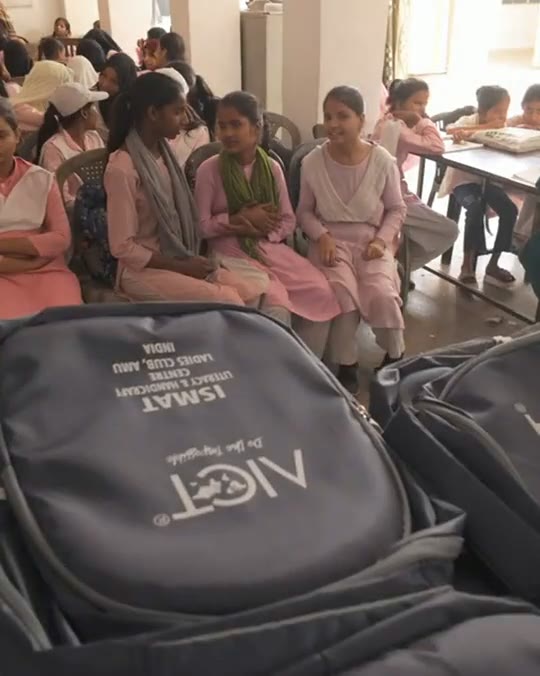
Impact and NGO film
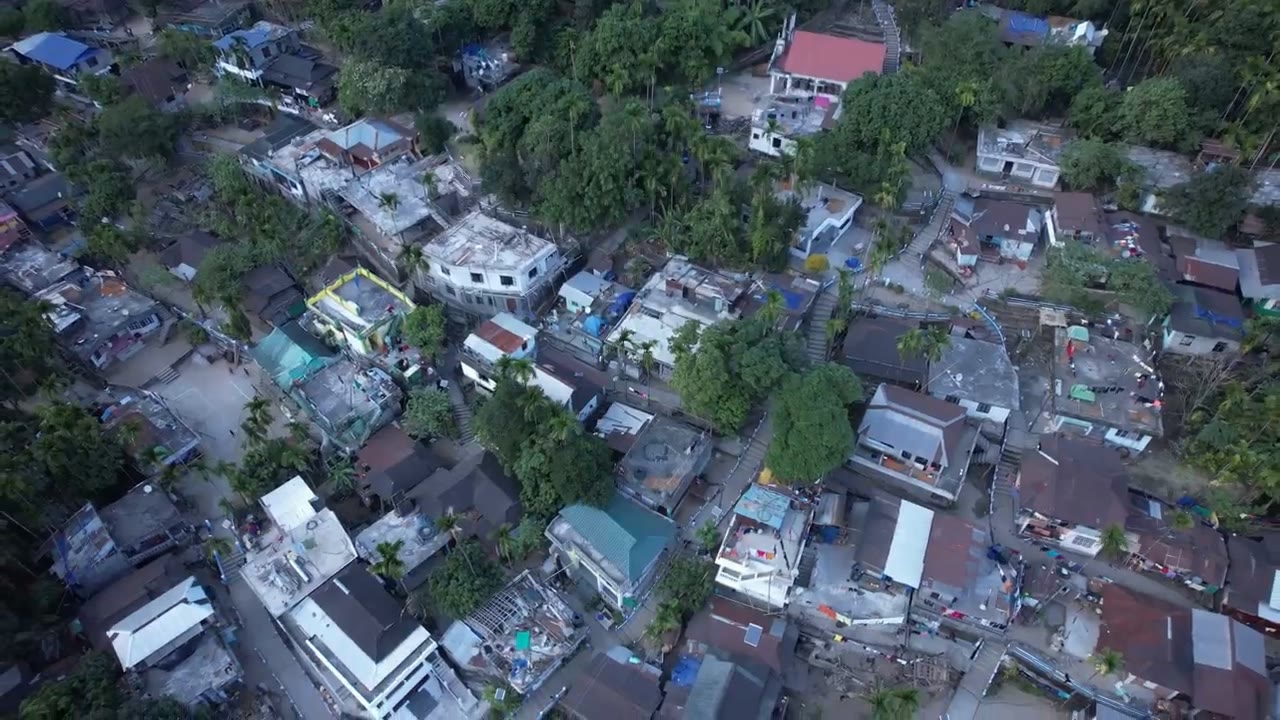
Field films for organisations working on the ground. Small crew, fast on site, cut for the places these films have to run.
Right when the work has to be seen by the people who fund it or join it.
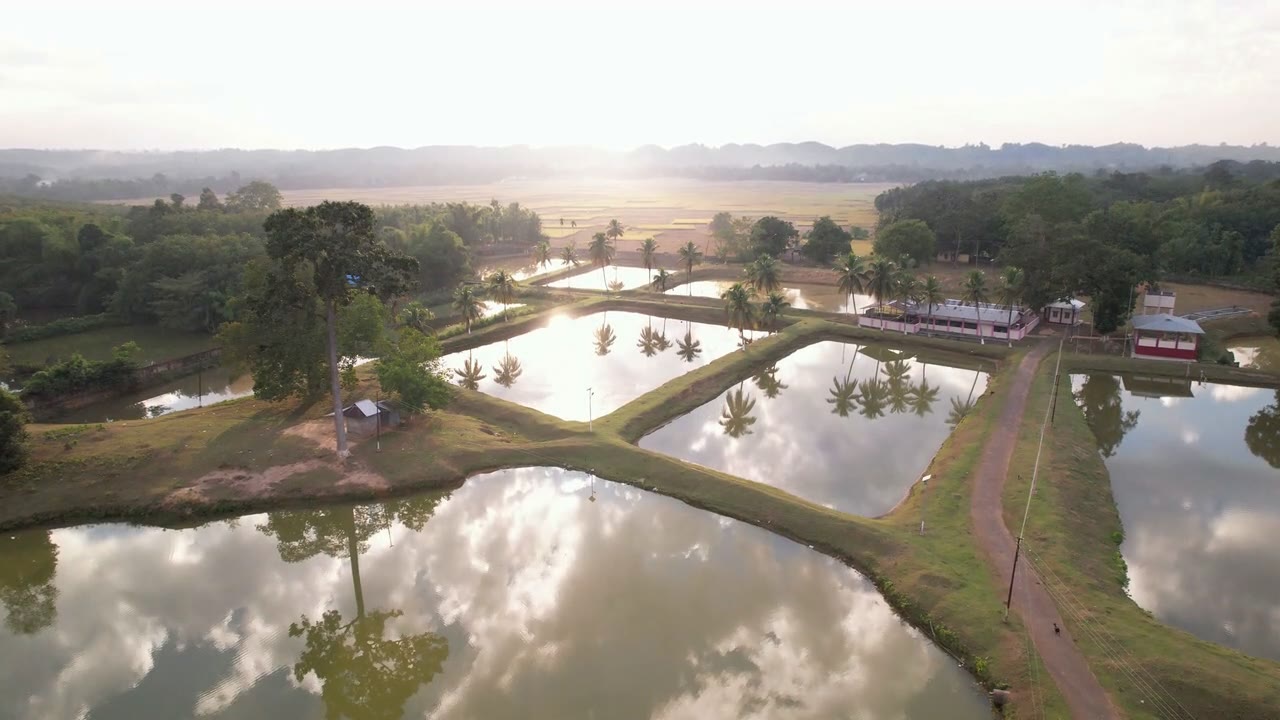
A campaign date, or a report that's due? Send that.
Services
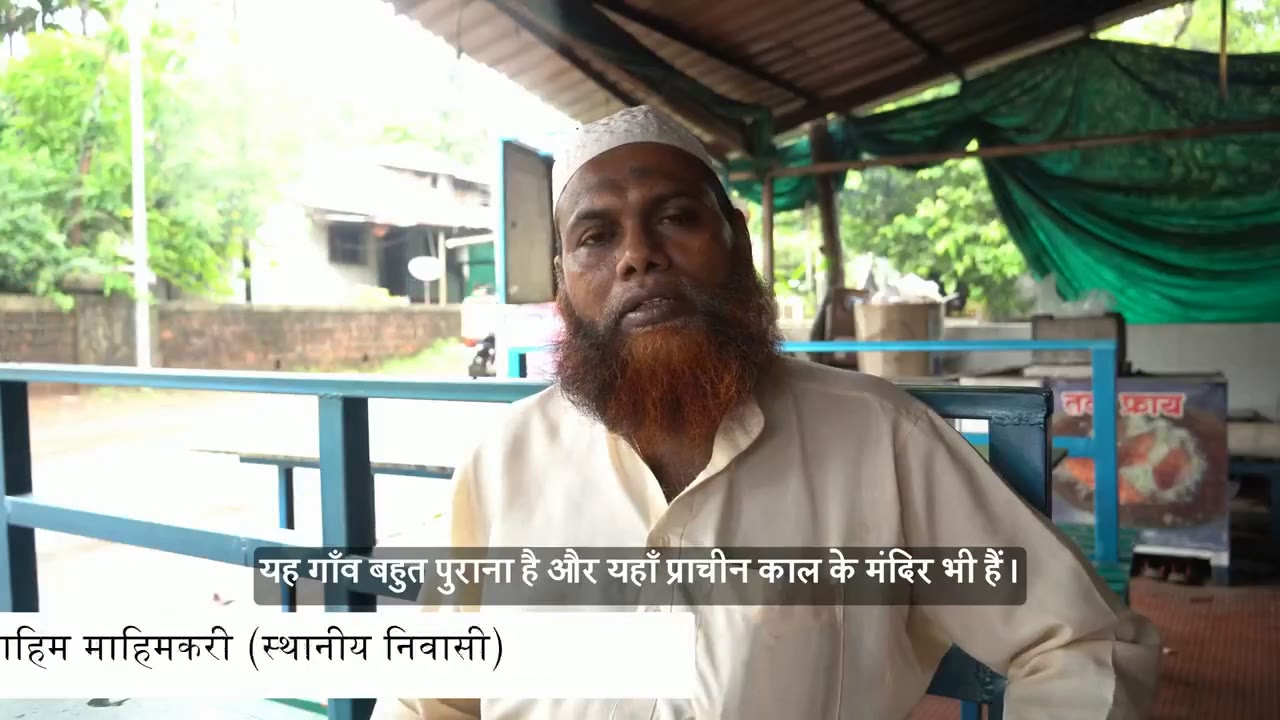
Nothing is staged, nobody is given a line, and the whole thing rests on the audience believing what they are looking at.
That belief is fragile and it is very easy to lose. So the discipline here is mostly restraint — no reconstruction, no invented moment, no shot set up twice because the first one was untidy.
The work before the shoot is access, not creative. Who will talk, who has to approve it, what can be filmed and what cannot, how long you can stay. A subject who is comfortable on day three gives you something they would never have given on day one, so the schedule buys time rather than locations.
Services
Field films for organisations working on the ground. Small crew, fast on site, cut for the places these films have to run.
Right when the work has to be seen by the people who fund it or join it.
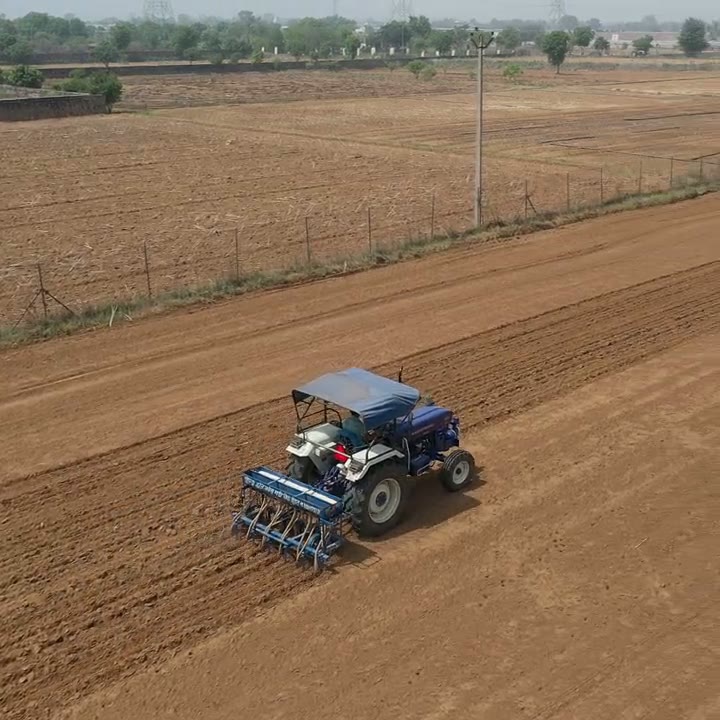
A company's CSR work filmed in the field: the programme, the people it reaches and the partners running it, in a long cut and a short one.
Right when the report is due and the work has to be seen, not just described.
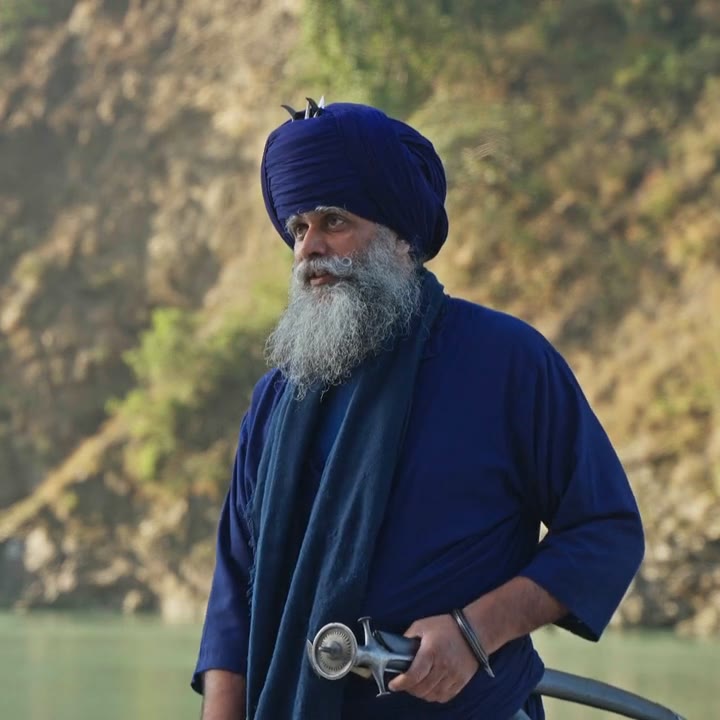
A film about something a company actually did, shot as it happened. No script, no performance, and no claim the footage can't support.
Right when there's a real story and enough access to film it properly.
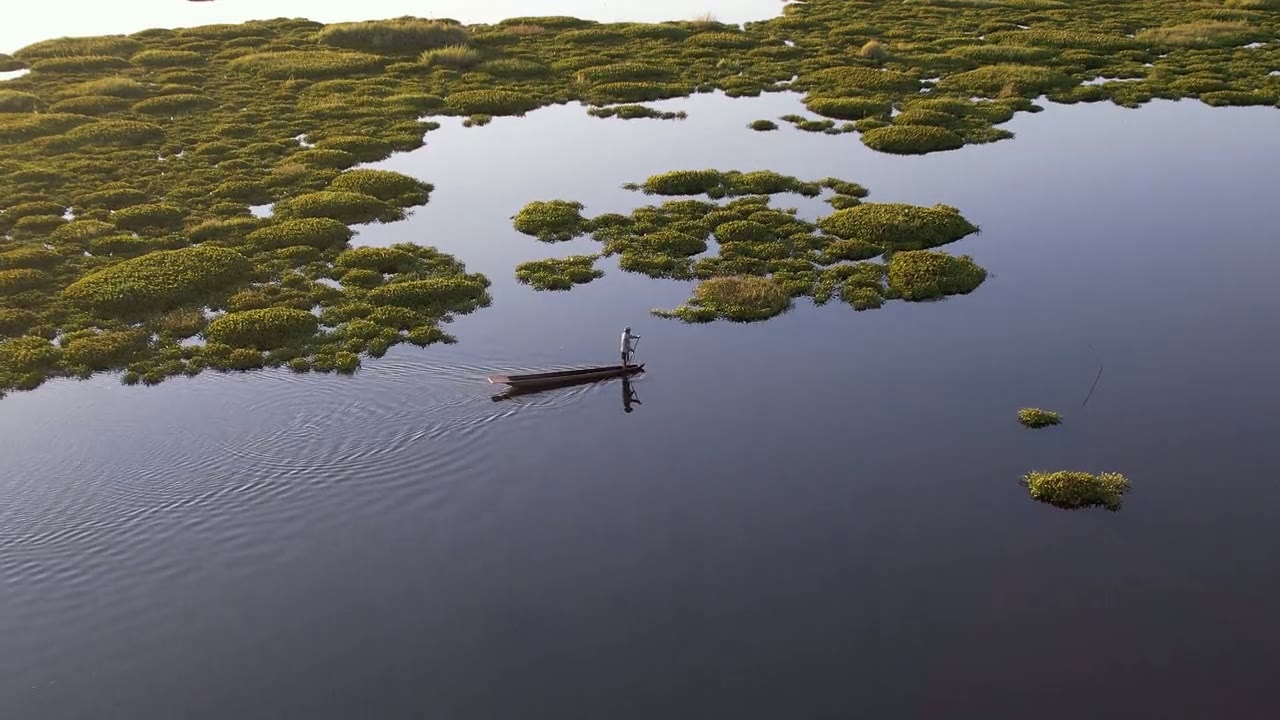
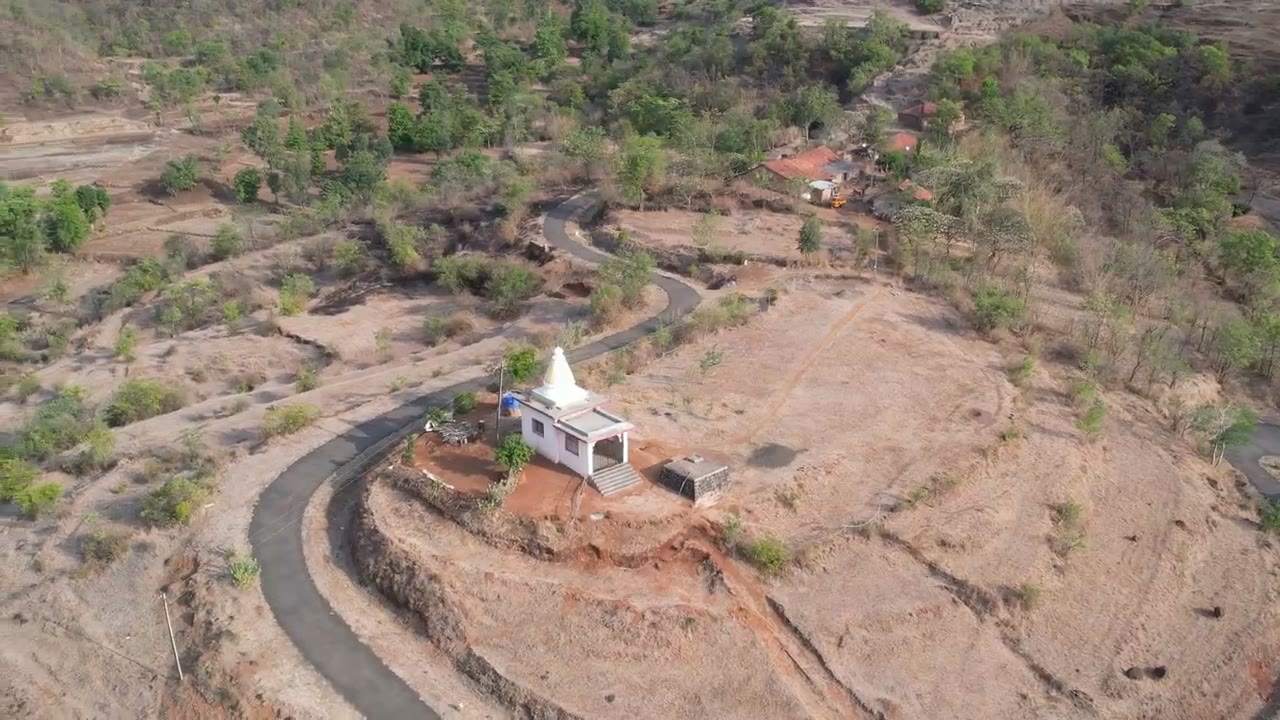
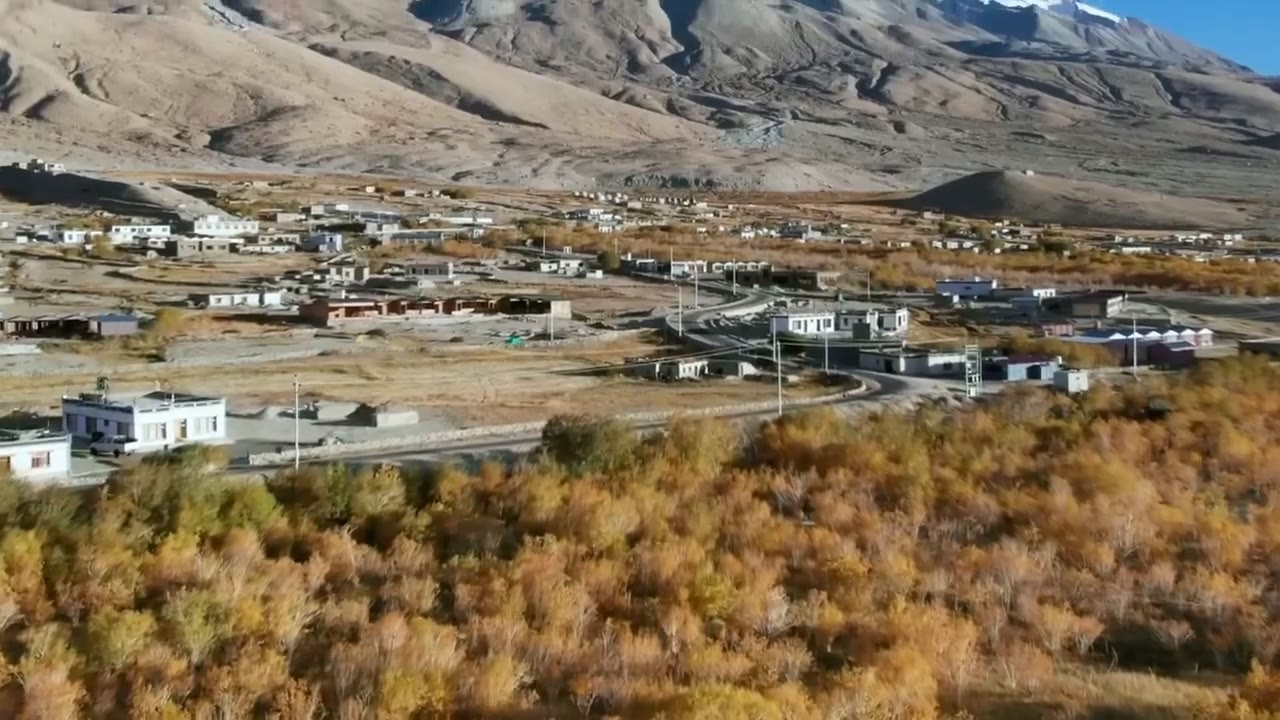
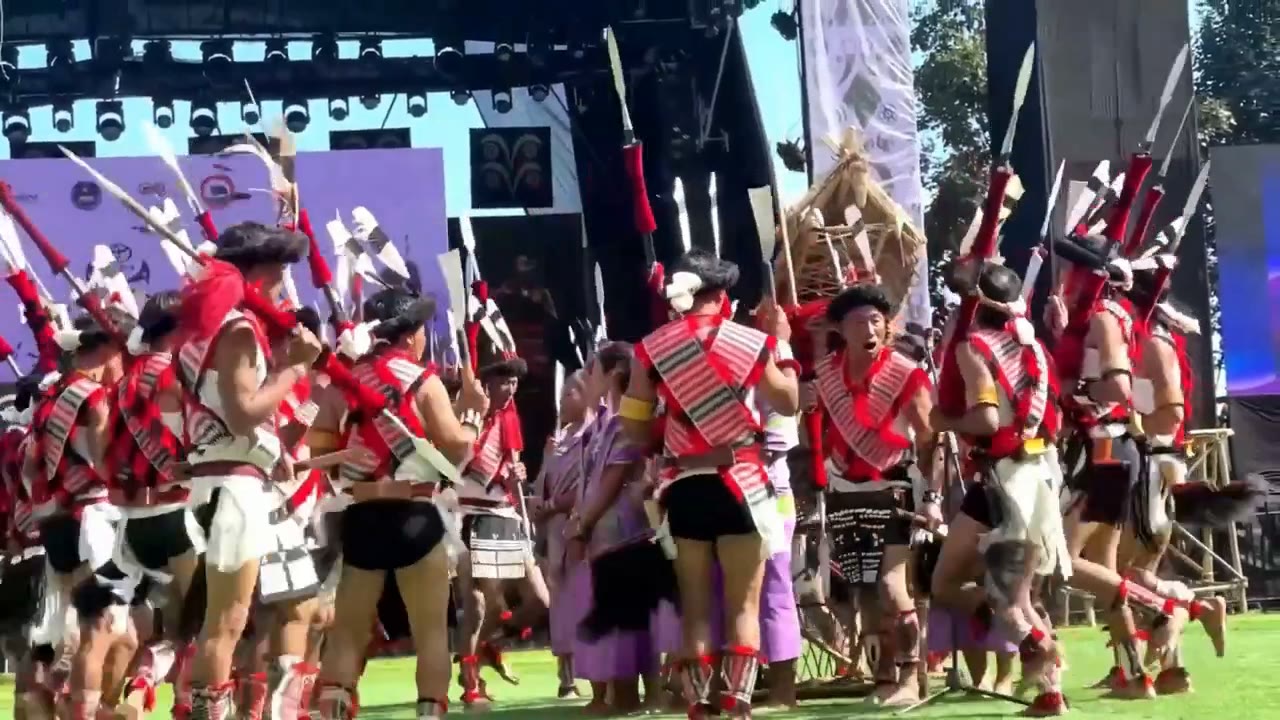
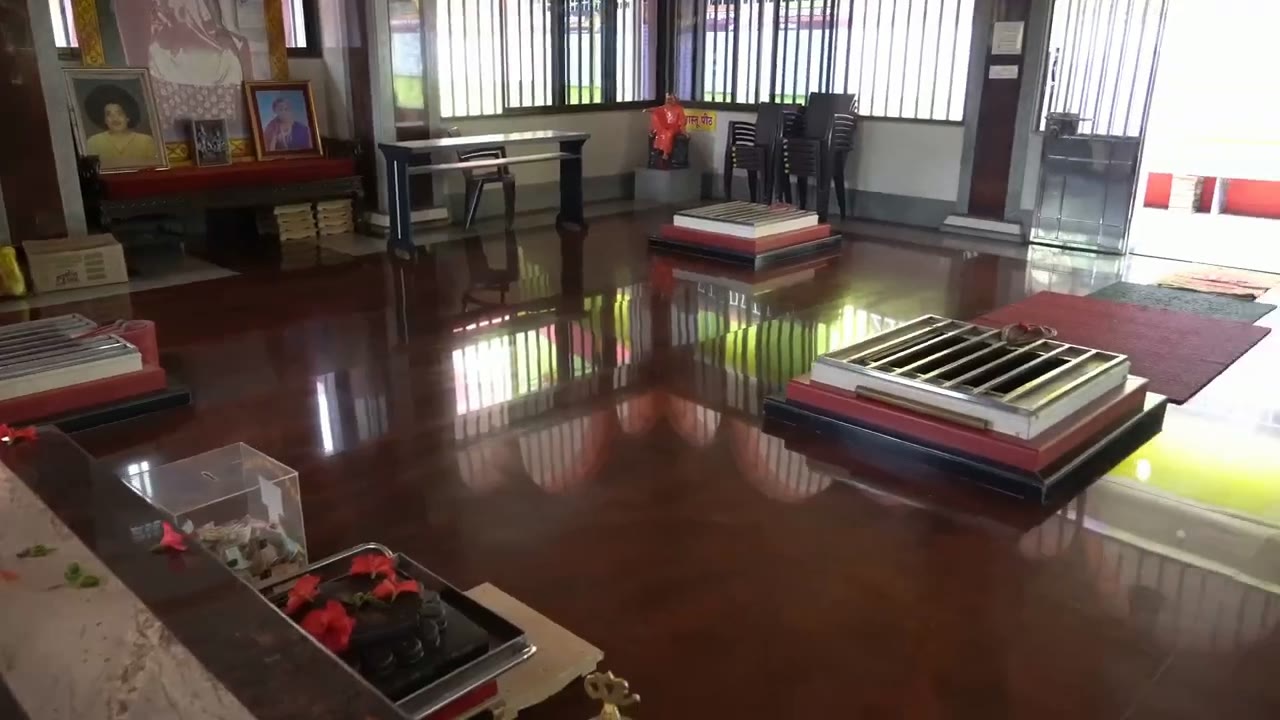
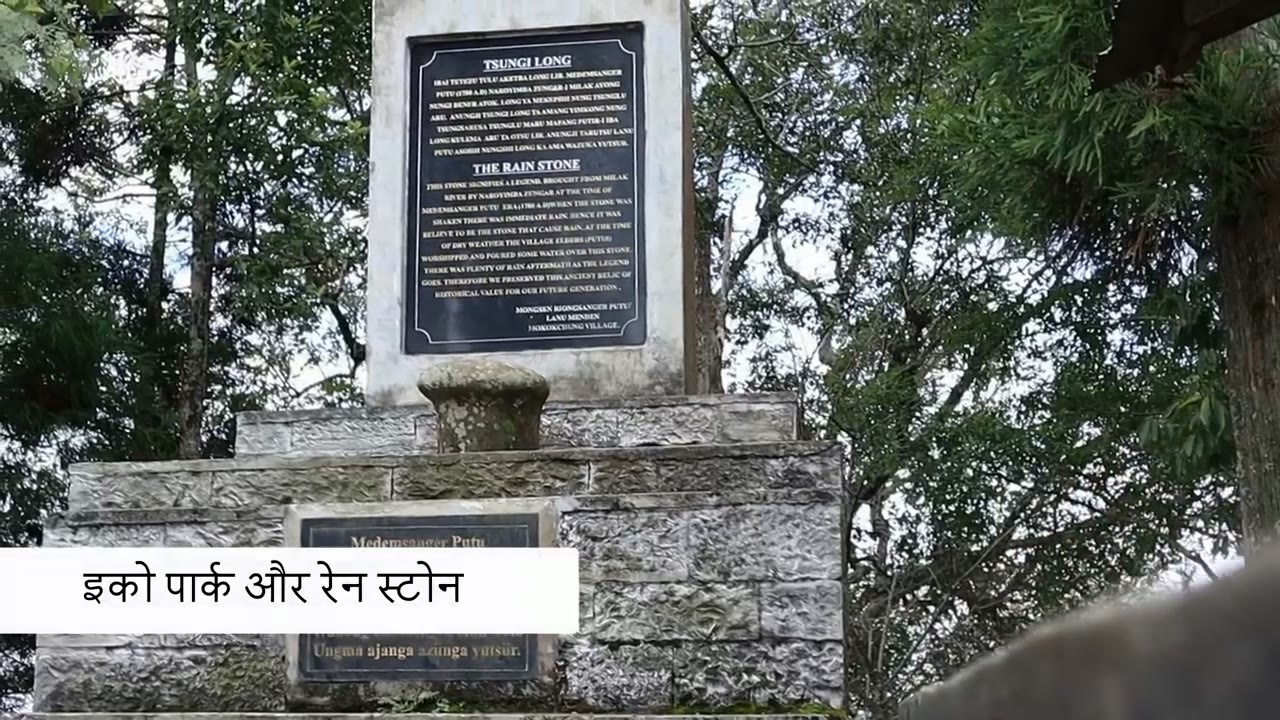
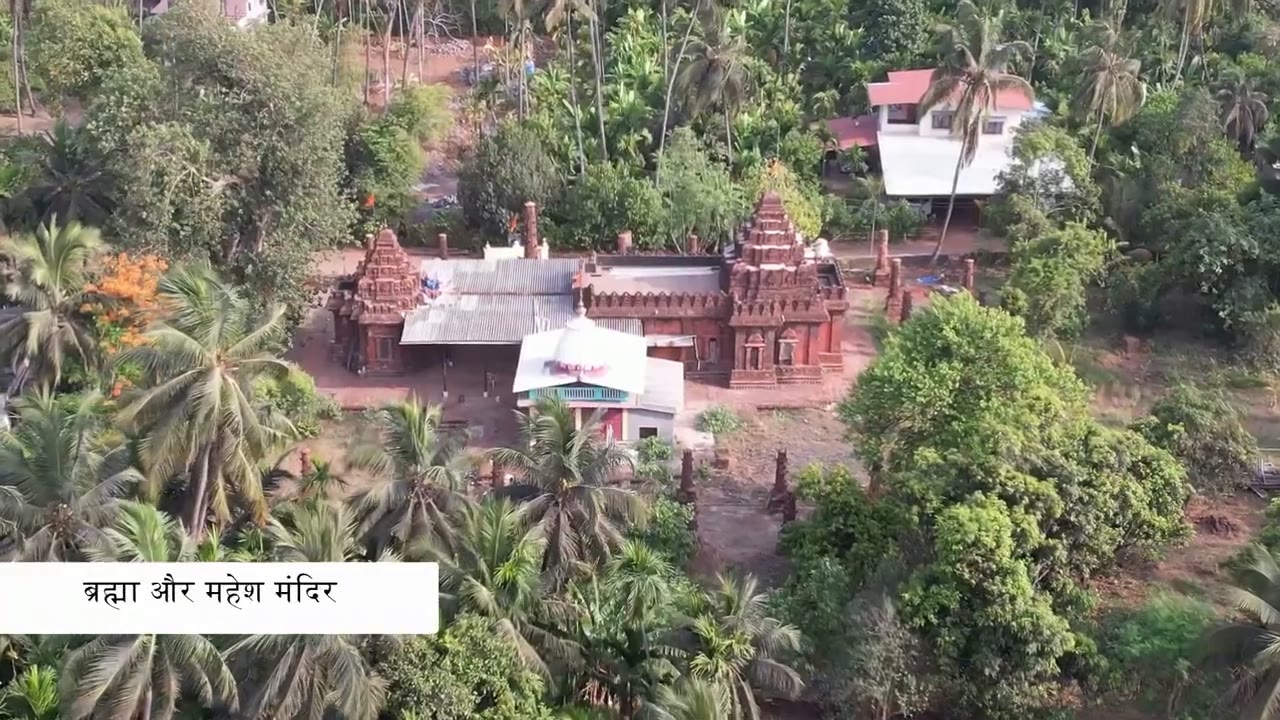
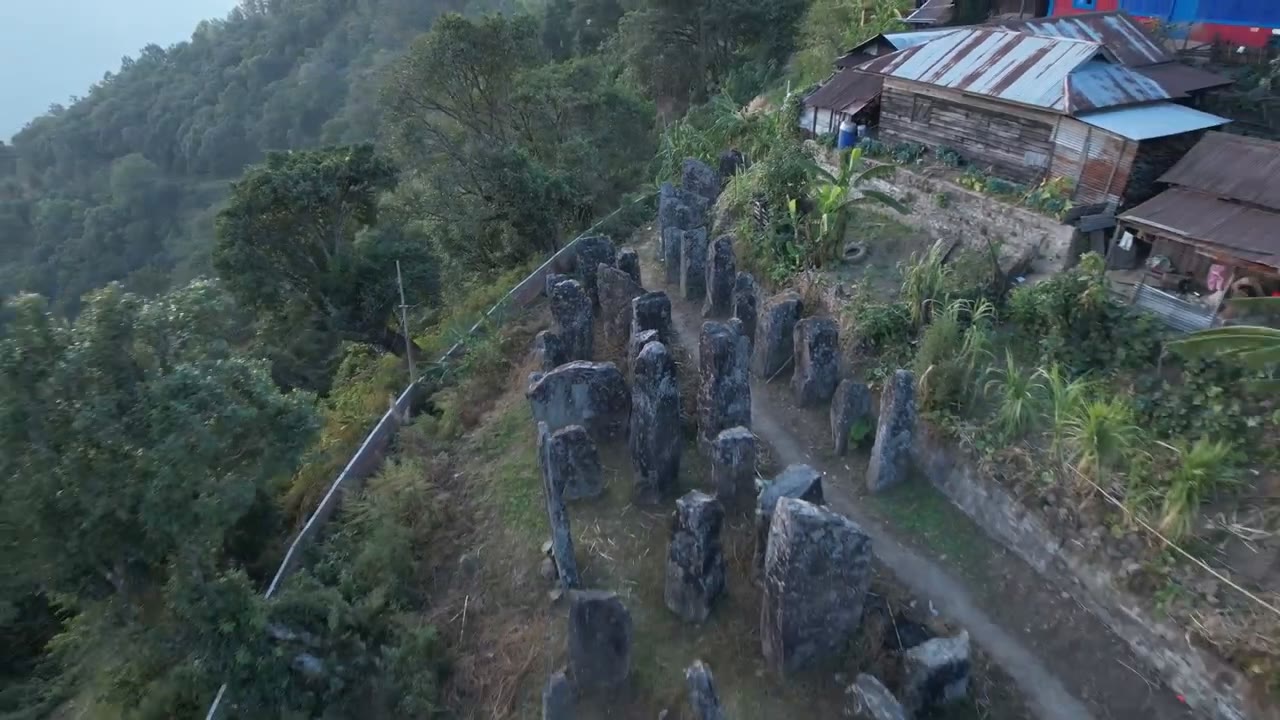
A place and the practices that belong to it, filmed where they happen and cut as a film of their own.
Right when the place is the story.
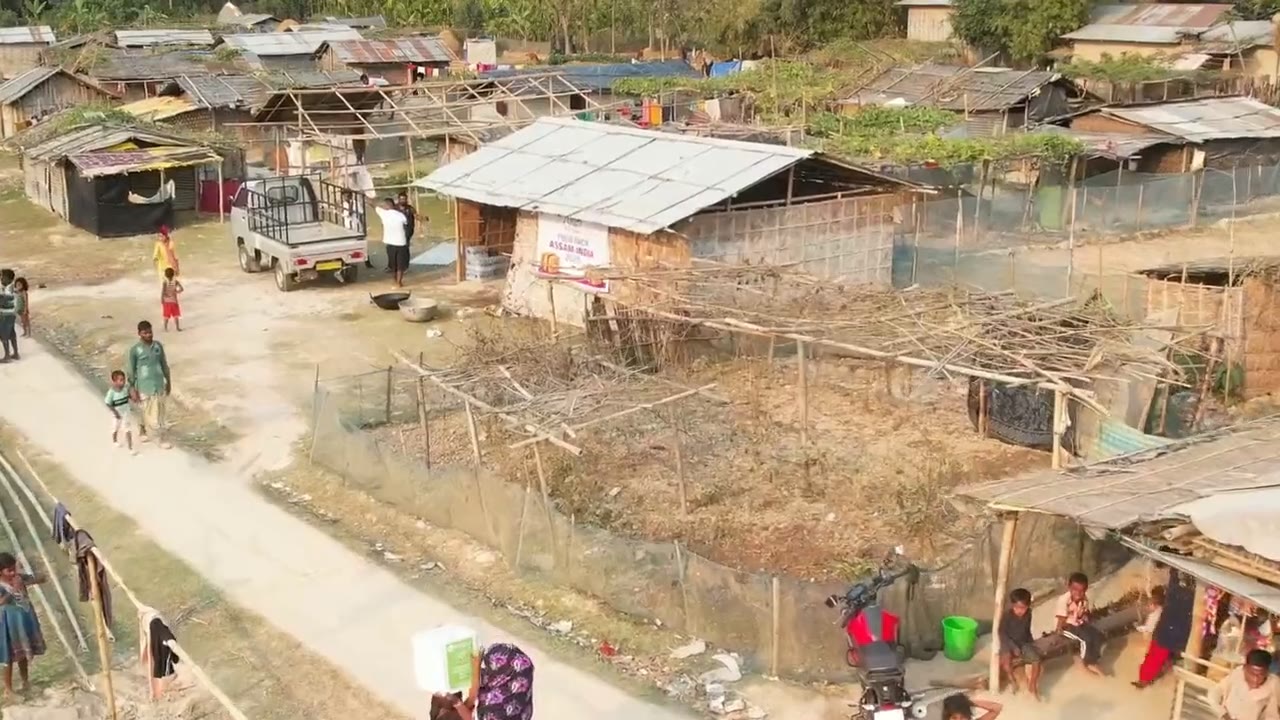
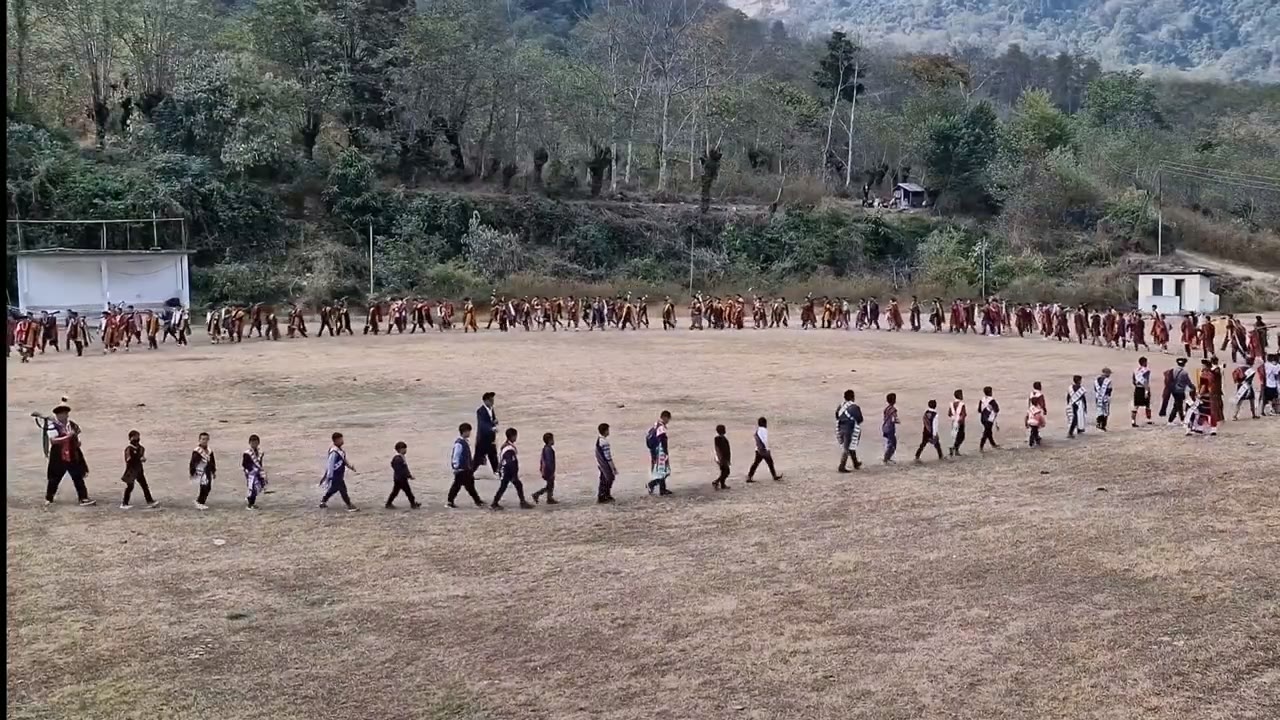
Long-form coverage of people, places and practices, shot to last. Video and stills off the same days.
Right when something is worth keeping on record, not only on a feed.
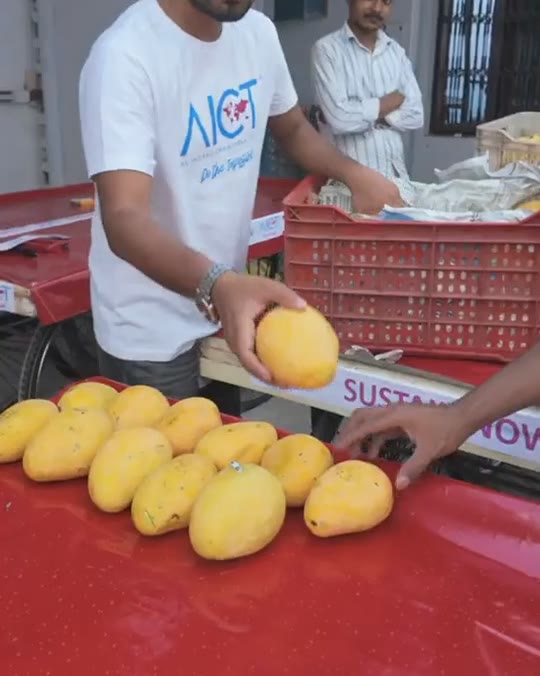
Films made for one appeal: the people it's for, filmed where they are, and cut for the page and the feeds the appeal runs on.
Right when a campaign is going live and people need to see who it's for.
WHERE IT'S SEEN
Cut for wherever the appeal runs. Donatekart's fundraising films went up on its own YouTube channel.
A long cut for the report and a short one that stands on its own.
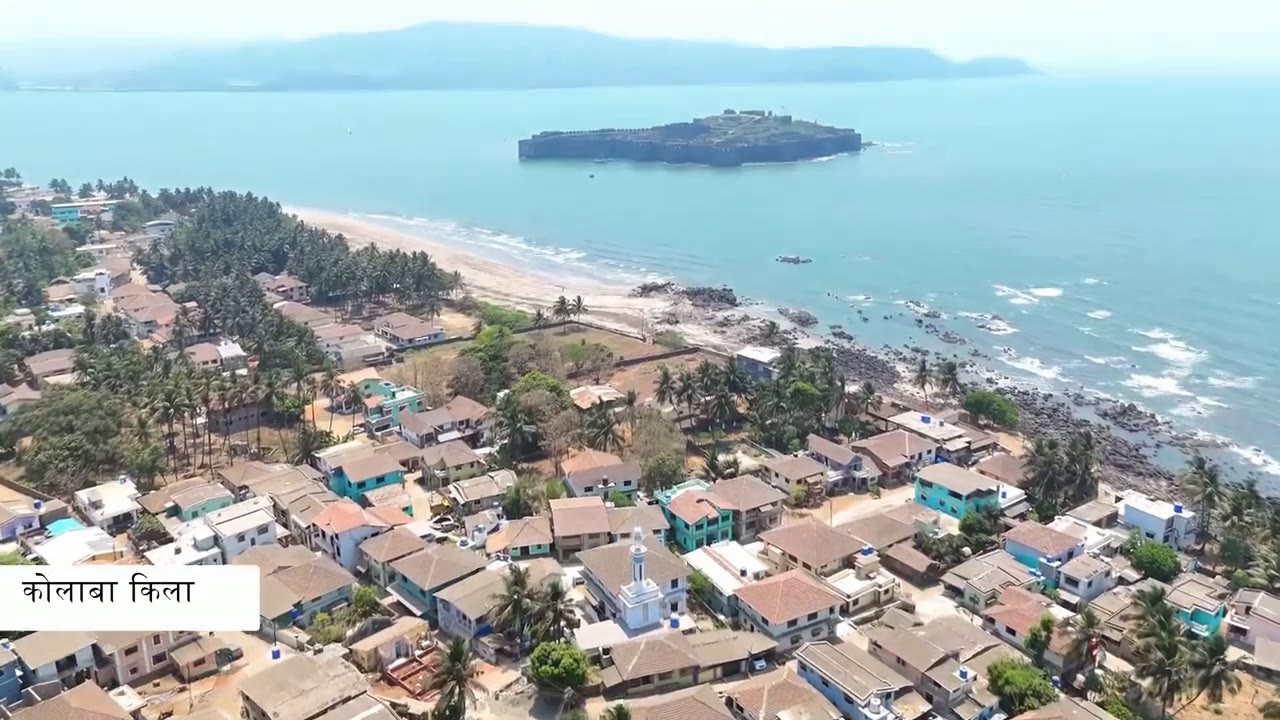
Photographs off the same days, ready for press, plus long films shot to keep on record.
Process
What the film is for, who has to see it, and the date it's due: a campaign going live, or a report going out.
Agreed before anyone travels, with whoever has to say yes.
A small crew in the field, and a lot of waiting. We shoot far more than we'll use, because the moment that carries the film isn't one anybody can plan for.
The film gets found rather than executed. The structure comes out of what was actually captured, which is why the edit is where a documentary is really made.
You see the film twice before it's locked, once at rough cut and once at fine cut. Both rounds are named in the schedule before the edit begins.
A long cut and a short one, built as two different films rather than one trimmed twice, plus the stills that came off the same days.
Services

Get in touch
It is the shortest question you can ask a company you have never met. Ours has one answer and it does not change between the call and the shoot.
Questions
Still stuck on something? Send the idea and we'll answer it straight.
Scope sets it — shoot days, crew size, and how much finishing the work needs. You get a treatment, a schedule and a number together, and nothing is shot until you sign off all three. No number is published here because a number without a scope in front of it is a guess.
Both. Some of our work is commissioned directly, and some comes through an agency or a production partner.
Yes. A CSR film is made like every field film here: access planned first, a small crew on site, and a long cut and a short one for the report and for social.
The schedule arrives with the treatment, before anything is booked. What moves it is shoot days and how many versions you need at the end. Business days, not calendar days. You know the date before the crew is hired.
Yes. Crews travel to the shoot and post-production happens anywhere. Distance changes the schedule, not the process. You sign off a treatment before the shoot and see cuts at agreed points. Time zones are handled by fixed review windows, not email tennis.
You own the final delivered film outright, in perpetuity. Ownership is agreed in writing before the shoot, never after delivery. Raw rushes and project files stay with us unless bought out separately. Ask on the first call — in the contract, not in an email.